

Person
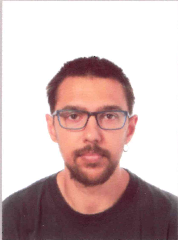
CHAVES SANJUAN ANTONIO
RICERCATORE A TEMPO DETERMINATO (LETTERA B)
Research overview (3)
Amyloid Fibrils
Proteins are essential molecular machines that must fold into precise three-dimensional structures to function properly. However, under certain conditions, some proteins missfold and aggregate into amyloid fibrils—highly ordered, insoluble structures associated with neurodegenerative diseases such as Alzheimer’s, Parkinson’s, and ALS. Understanding the formation and structural properties of amyloid fibrils is crucial for developing strategies to prevent or target these aggregates.
This research focuses on the structural characterization of amyloid fibrils, aiming to uncover the molecular mechanisms underlying their formation, stability, and interactions. By leveraging structural biology techniques, we seek to provide insights into the fundamental principles of amyloid aggregation, which could contribute to the development of novel therapeutic approaches.
This work is headed by Prof. Stefano Ricagno of the University of Milan. (2020 - )
Prokaryotic NER
DNA is the blueprint of life, carrying the genetic instructions that cells need to function and replicate. However, DNA is constantly under attack from environmental factors like UV radiation, chemicals, and even normal cellular processes, leading to damage that can compromise genetic integrity. If left unrepaired, DNA damage can cause mutations, impair cell function, or even lead to cell death. To counteract this, cells have evolved sophisticated DNA repair mechanisms to detect and correct these errors, ensuring stability and survival.
Our research focuses on nucleotide excision repair (NER) in prokaryotes, with a special emphasis on how cells detect DNA damage. NER is a critical repair pathway that allows bacteria to recognize and remove a wide range of DNA lesions, maintaining genomic stability. Understanding how prokaryotic systems efficiently detect and initiate repair provides key insights into the evolution of DNA repair mechanisms and has potential applications in biotechnology and antibiotic development. By studying the structural and molecular underpinnings of NER, I aim to uncover new aspects of DNA damage recognition and repair, paving the way for novel therapeutic and synthetic biology strategies.
This work is done in collaboration with the group of Prof. Miggiano from the Università del Piemonte Orientale. (2023 - )
Transcription Factors
Every cell relies on precise gene regulation to function properly. Transcription factors are essential proteins that control gene expression by binding to specific DNA sequences, playing a crucial role in development, cell differentiation, and responses to environmental signals. Dysregulation of transcription factors can lead to diseases such as cancer and neurological disorders.
Many transcription factors do not act alone; instead, they cooperate to fine-tune gene expression. Our research focuses on transcription factor binding cooperativity at promoter regions, particularly investigating NFY, NFIX, and other key regulators. By exploring these interactions, we aim to uncover the molecular mechanisms that govern gene regulation, providing valuable insights into transcriptional control and potentially revealing new strategies for therapeutic intervention in diseases linked to transcriptional dysregulation.
This work is headed by Prof. Marco Nardini from the University of Milan. (2015 - )
No Results Found
Funded research
Deciphering the mechanistic details of Mycobacterium tuberculosis nucleotide excision repair and related proteins as key players of bacterial persistence and adaptation: structure-based insights for anti-evolution drug design
Progetti PNRR - Fondo per il Programma di Ricerca di Rilevante Interesse Nazionale - PRIN 2022
Project
Scientific Manager
2023
27 months
No Results Found
Publications (46)
Datasets
Fellowships
Fellow (riconoscimento scientifico)
- Società Italiana di Biochimica e Biologia Molecolare (Italia)
(2019 - )
2019
No Results Found
Tutoring (2)
tutorship -
Assegnisti/e
- MINARI AGNESE
tutorship -
Assegnisti/e
- TIBERI MICHELE
No Results Found
Public Engagement
Organizzazione di iniziative di valorizzazione, consultazione e condivisione della ricerca (Organizzatore/Organizzatrice)
- Incontro con il Biochimico in un Giardino Segreto
Orto Botanico Città Studi (29/06/2024 - 29/06/2024) 20240629
Dipartimento di Medicina Veterinaria e Scienze Animali
Dipartimento di Bioscienze
No Results Found